
Begin with where you are
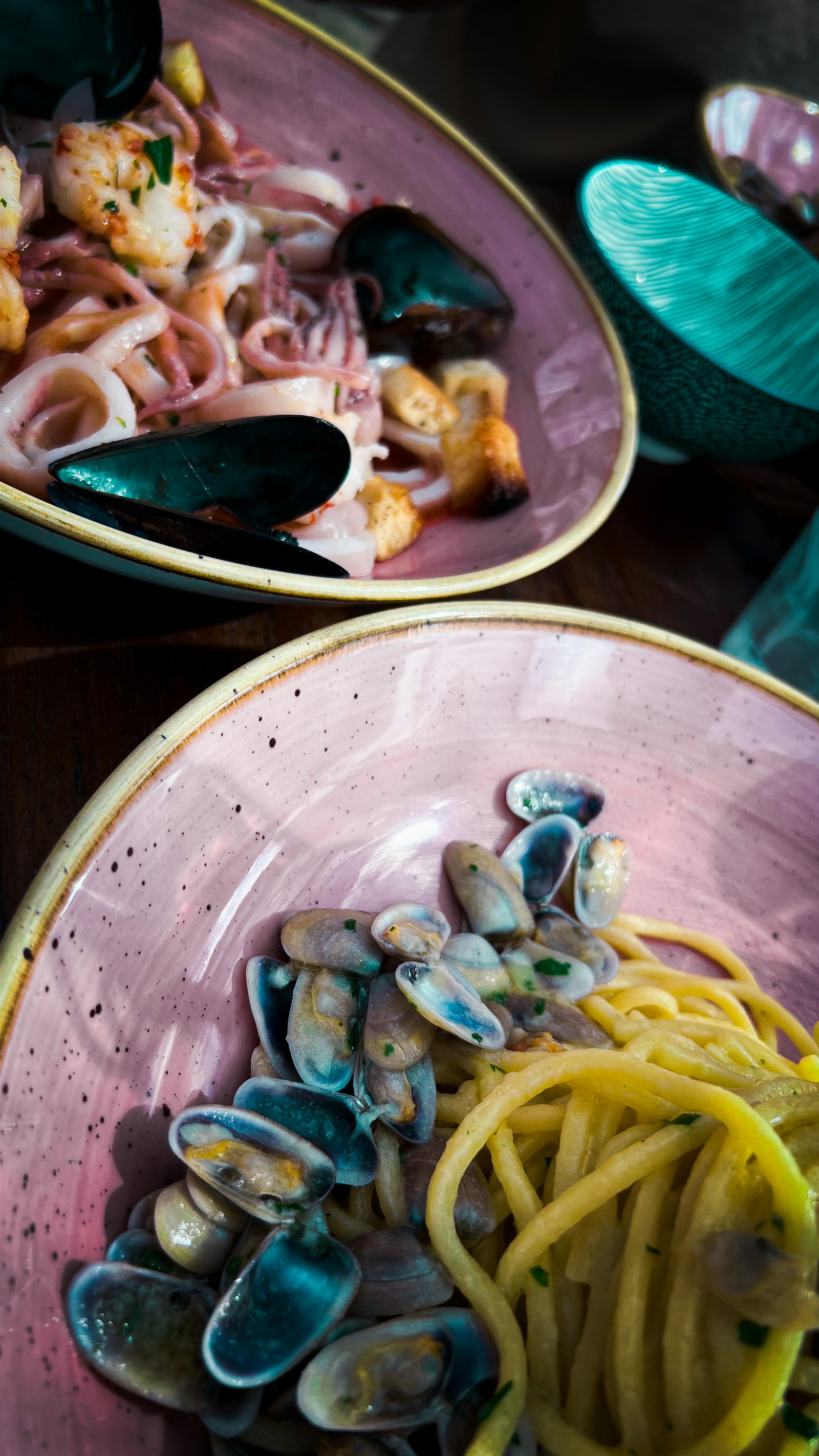
Italy is not one menu. In Rome, you might look for gricia or amatriciana; around southern Tuscany, pici and local pecorino make more sense; Puglia offers orecchiette, focaccia, and vegetable dishes with their own local variations. Follow the region and the season rather than chasing a national checklist. A restaurant with a short menu can be useful, but menu length alone proves little. Read what is offered, check prices, and choose food you actually want to eat.
You do not need every course
An Italian menu may separate antipasti, primi, secondi, contorni, and dolci. That structure describes options, not an obligation to order the entire sequence. A primo and a side, or an antipasto followed by a main, can be a comfortable meal. Ask if you are unsure about portion size or whether a dish is intended to share. Vegetables may be listed separately from mains. Taking a moment to understand the menu is better than ordering more simply because the sections look formal.
Ask about price before ordering by weight
Some fish and large steaks are priced by weight rather than as a fixed individual portion. Ask for the likely weight and total cost before confirming. Check the menu for cover or service charges and ask if something is unclear. A table in a famous square may charge for its location as well as the food, which can be fine if you make the decision knowingly. Avoid assuming that an unrequested item is complimentary. A clear question at the start is easier than an argument at the end.
Make lunch part of the plan
A seated lunch is a useful rest on a walking-heavy trip. On other days, a bakery purchase or market snack may suit the route better. Check opening times directly; not every kitchen serves continuously through the afternoon. If you have a dinner reservation, leave enough time to return from a day trip. Do not build every meal around a highly sought-after address. A place near your accommodation, chosen with care, can make for a far calmer evening.
Allergies and dietary needs deserve clarity
Explain allergies before ordering and ask staff to confirm ingredients and preparation. A translated dish name is not enough to establish that something is suitable. Carry a clear written explanation in Italian if it helps communication. Vegetarian dishes can still contain ingredients you want to avoid, so ask rather than guessing. The same applies to seafood, nuts, dairy, and gluten. If staff cannot give you a confident answer, choose another option. Your dietary needs matter more than the desire to try a particular speciality.
Coffee, small plates, and a little patience
A quick counter coffee and a seated café break are different experiences; check the arrangement and menu if cost matters. Venetian cicchetti can make an informal meal, while a long Tuscan lunch might shape the whole day. There is no need to turn every local habit into a strict rule for visitors. Be polite, ask when unsure, and let staff guide the pace. When you are ready to leave, ask for the bill. Above all, leave enough time to enjoy what you ordered.