
Why stay after the day visitors leave
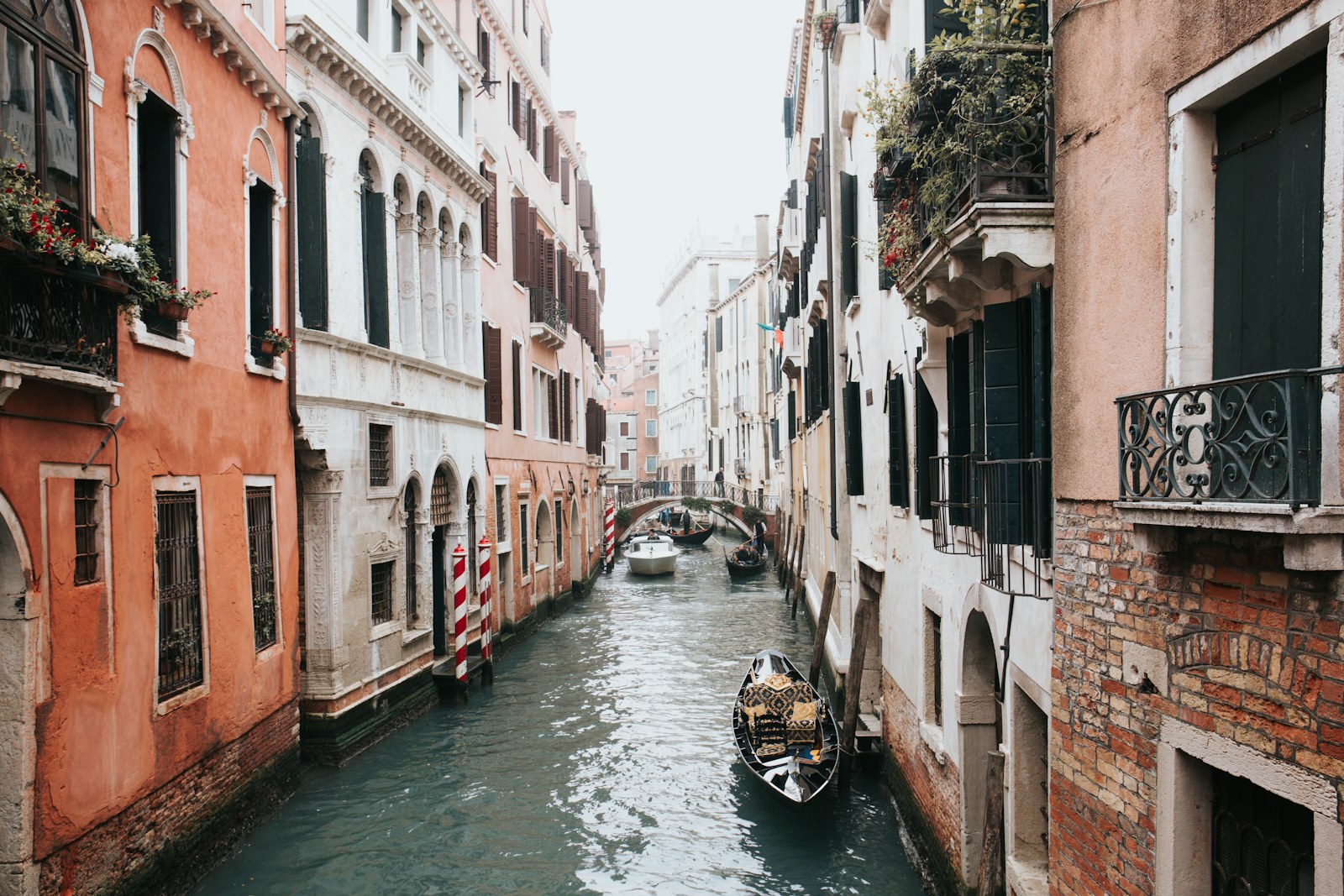
Venice deserves more than a hurried circuit from the station to San Marco. Its geography changes how an ordinary day works: deliveries come by boat, bridges break up a short walk, and the sound of footsteps replaces much of the traffic noise. Staying on the islands gives you time to notice those details early and late in the day. Two nights provide a meaningful introduction; a third makes space for a slower neighbourhood walk or an island excursion. Do not promise yourself that the city will be empty at a particular hour. Instead, allow time to step away from the most obvious routes.
The famous places, in context
San Marco and the Doge’s Palace belong on many first visits, but they are better approached as a planned block than as spontaneous stops between other reservations. Check official entry arrangements before travel. The Rialto area gives a different perspective on the city’s commercial past and present. Around the market, respect stallholders and people shopping for food; a photograph is not a reason to block a narrow passage. After the headline sights, choose a direction rather than a checklist. A walk into Castello can be as worthwhile as adding another ticketed interior, particularly if you are already tired.
Neighbourhoods that change the visit
Cannaregio can suit travellers who want restaurants and quieter lanes within reach of the station side of the city. Dorsoduro offers a useful mix of art, waterside walks, and student life. Castello stretches well beyond the busiest approaches to San Marco and rewards a patient walk. San Polo works for a relatively central base, though the exact position matters more than the district name. A room advertised as near Venice may be on the mainland, which changes the morning and evening experience. Confirm the address, not just the listing title, and count the bridges on the walk from your arrival stop.
Food beyond a rushed snack
Cicchetti, small savoury bites served in bacari, can form part of an informal lunch or early evening. Look at the available selection rather than expecting the same menu everywhere. Seafood and lagoon ingredients appear frequently, alongside dishes such as sarde in saor. If fish is sold by weight, ask how the final price is calculated. A drink standing at a counter and a seated meal are different experiences, often with different costs. Venice has limited space, so avoid treating bridges and busy doorways as picnic spots. Choose a permitted place to pause and carry your rubbish until you find an appropriate bin.
Arriving with less luggage stress
A Venice arrival involves more than reaching the main station or airport. From Venezia Santa Lucia you may still need a boat journey or a walk across several bridges. Check your accommodation’s recommended arrival route before choosing your luggage. Wheeled suitcases are useful on flat surfaces but still need lifting on steps. Vaporetti are public transport, not private sightseeing boats; leave room for other passengers and follow crew instructions. Walking often works well between nearby districts, but a straight line on a map may lead to a canal without a crossing. Keep some time unallocated for the route itself.
One day at a Venetian pace
Take an early walk near your accommodation and have breakfast before heading towards your main booked visit. Spend the late morning around San Marco, then move away from its busiest approaches for lunch. Use the afternoon for Dorsoduro or Castello rather than attempting both. A waterside pause is more useful than rushing to every viewpoint. Leave the islands for another day if that is a priority. Murano, Burano, and Torcello are not a single quick stop; boat connections and time on each island need their own space. Return for dinner without planning a tight onward train connection.
Rules, seasons, and sensible expectations
Venice has location-specific visitor rules and changing access arrangements. Consult the official city website for your actual dates instead of relying on an old social post. Seasonal water conditions can also affect walking routes; follow local information rather than buying equipment before knowing what is needed. Respect residential lanes and keep noise down at night. Photograph canals from safe, permitted positions and never enter private land for a view. The most common planning mistake is treating Venice as a theme park that can be completed in a few hours. A smaller route and an overnight stay give the place more room to be itself.
Venice: your questions
Should I stay on the islands or the mainland?
The islands make early walks and late dinners easier. Mainland accommodation can suit a tighter budget, but include the journey into Venice in your plans.
Does an access fee apply?
Arrangements depend on the year and dates. Check the official city portal for the current calendar and any requirements relevant to your visit.