
Decide which Tuscany you mean
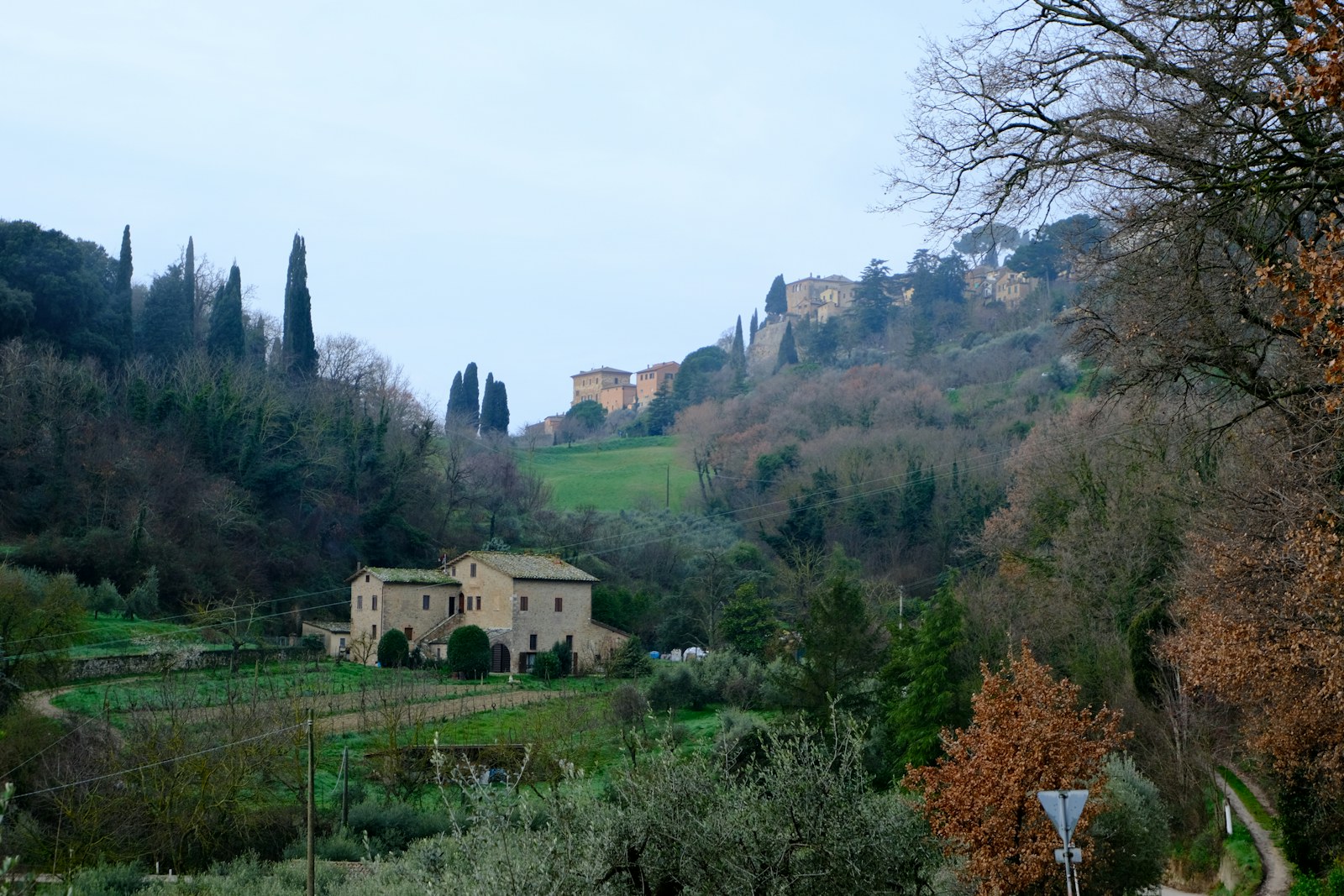
Tuscany includes major art cities, vineyard country, hill towns, and a long coast. A photograph of a cypress-lined road cannot tell you which part suits your trip. Start with the kind of days you want. Florence makes sense for art and rail travel. Siena offers a smaller historic-city setting. The Val d’Orcia suits travellers who want rural drives and towns such as Pienza and Montepulciano. Chianti is another distinct choice, especially if visits to wine estates are a priority. Trying to cover all of these from one remote farmhouse can create a surprising amount of driving.
Town days and country days
Build a rural stay around one or two nearby places per day. Pienza and a countryside lunch can be enough; there is no need to add a distant city simply because the road eventually reaches it. In Siena, spend time in the streets around the main square rather than treating the city as a short photo stop. Smaller towns may have steep approaches and parking outside their historic centres. Allow for the walk from the car, not just the driving time. Churches, gardens, and local museums can add depth, but check official opening information before making a detour for a single interior.
Choose a base with daily life in mind
A farmhouse stay can offer space and quiet, while a town base lets you walk to dinner. Neither is automatically better. Ask how far the nearest restaurant and food shop really are, whether you need a car every evening, and whether arrival involves an unpaved road. If a pool matters, confirm its seasonal operation directly. A room inside a historic centre may be atmospheric but difficult to reach with luggage. For a short stay, the practical convenience of your base matters more than a long list of amenities you may never use. Consider splitting city nights and rural nights rather than compromising both.
Food worth making time for
Tuscan food often puts beans, bread, olive oil, vegetables, and grilled meat at the centre of the table. Look for pici around the south of the region and pecorino around Pienza, while remembering that menus vary by town and season. A farm lunch or estate visit can be a pleasant main activity, but reserve directly and clarify what is included. If wine is part of the day, arrange transport or a non-drinking driver before choosing the tasting. Do not build a route that depends on driving after several estate visits. A simple meal near your accommodation may be the best end to a rural day.
Transport is part of the plan
Trains connect several important Tuscan towns and cities, but they do not reach every village or farmhouse. A railway station named for a hill town may be well below the historic centre. Research the last part of the journey as carefully as the intercity train. For a rural stay, a car can make sense; collect it when leaving the city rather than paying to park it during museum days. Check restricted traffic areas and your accommodation’s parking instructions before driving into an old town. Use official local transport sources for bus routes, especially on weekends when a plausible connection may not operate as expected.
A realistic rural day
From a base near Pienza, spend the morning in town before taking a countryside lunch. Choose either an afternoon in Montepulciano or a quiet return to your accommodation, rather than attempting a wide loop across the region. Leave time for parking and walking up into the historic streets. If you have arranged a food or wine visit, make that the anchor and keep other stops optional. The landscape is part of the reason to come, so a pause on a terrace is not wasted time. Stop for photographs only where it is safe and legal; narrow roads are not viewing platforms.
What often goes wrong
The biggest mistake is booking a beautiful rural property before deciding how to reach it and where to eat. Another is using motorway travel estimates for days that actually involve small roads, town parking, and walking. Summer heat can make exposed stone streets tiring, so start earlier and plan a proper midday break. Harvest periods can change availability at estates, and some rural businesses operate seasonally. Check directly rather than assuming a listing is current. Four nights in a single well-chosen area generally feel more coherent than four different hotels. Let the region be a stay rather than the scenery between check-ins.
Tuscany: your questions
Can I visit without driving?
Yes, with town bases and carefully checked trains or buses. A remote farmhouse and several small villages are harder without a car.
Is one day enough?
A day gives a taste of one area. Choose a town or a focused excursion instead of trying to see the whole region.