
Why Rome deserves your time
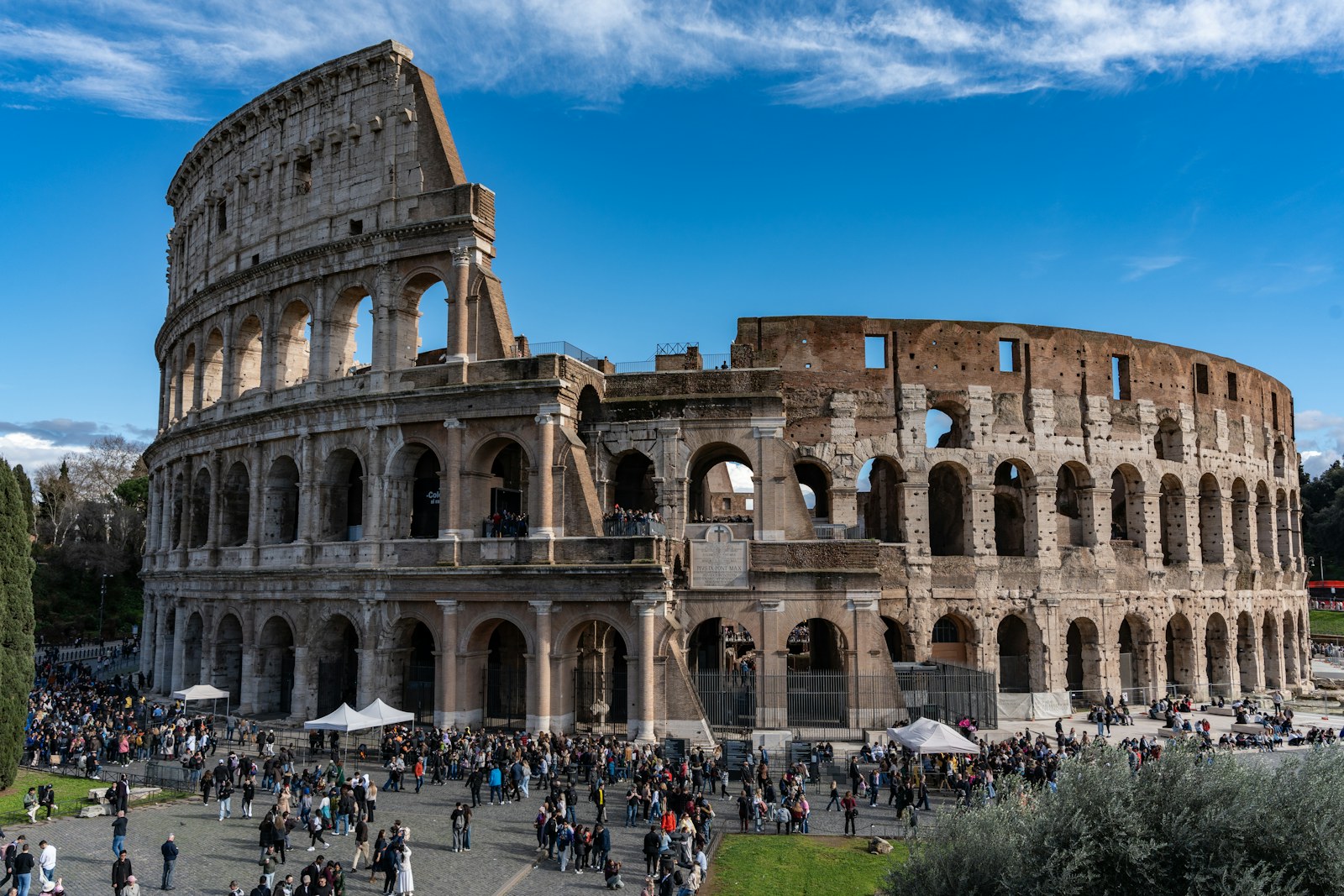
The pleasure of Rome is the collision of different centuries on an ordinary street. A bus passes an ancient wall; a market opens beside a Renaissance palace. The Colosseum and Forum explain one part of the city, but a walk through the Jewish quarter or Testaccio adds a different register. You do not need to resolve it all into a neat historical timeline. Choose a few places that interest you and let the streets between them become part of the visit. Three nights give you an introduction; four allow a calmer division between ancient Rome, the historic centre, and the Vatican side of the river.
Big sights, smaller pauses
Give the Colosseum and Forum a dedicated morning rather than attaching them to a long Vatican day. The archaeological area is exposed and involves more walking than a map suggests. Carry water and build in a seated break. On another day, connect the Pantheon area with Piazza Navona and nearby lanes. A church interior can provide both art and a pause, but remember these are places of worship and dress accordingly. For something less monumental, browse the streets around Monti or the food shops in Testaccio. Neither needs a rigid walking route; the point is to pay attention rather than rush between pins.
Choose a neighbourhood, not a landmark
The historic centre is useful if walking out of your door into the main sights matters most. Expect a premium for that convenience and check reviews for street noise. Monti offers a strong base near ancient Rome, with sloping streets and evening activity. Prati is a more orderly alternative near the Vatican, particularly if you prefer broad pavements and a residential feel. Trastevere can be atmospheric but lively after dark; a courtyard room may matter more than a fashionable address. Termini is convenient for an early train, yet convenience at the station is not the same thing as proximity to every sight. Check the exact block and your luggage route.
What to eat, and how to order
Roman menus often feature cacio e pepe, carbonara, amatriciana, and gricia. These are distinct dishes rather than interchangeable cream sauces. Look also for supplì, a fried rice snack, and seasonal vegetables such as artichokes. A full sequence of antipasto, primo, secondo, and dessert is optional; ordering one course is perfectly reasonable. Check the menu before sitting down, especially around major squares. If you have an allergy, explain it clearly before ordering rather than relying on an English dish name. A market picnic is another useful option, provided you eat somewhere permitted and dispose of packaging responsibly.
Arriving and moving around
Plan the airport transfer around the actual airport and the address of your accommodation. Rome has more than one airport, and the cheapest flight can create a less convenient arrival. Use the official airport and transport websites for current connections and fares. Within the centre, walking often reveals more than a series of short rides, but distances accumulate quickly. Group sights geographically and use public transport when the journey warrants it. Leave a margin before a booked entry because traffic, security queues, and finding the correct entrance all take time. Comfortable shoes will improve your trip more than one extra museum reservation.
A day with breathing room
Start with a reserved ancient-Rome visit while you have energy. Have lunch in Monti rather than travelling across the city to chase a restaurant recommendation. Return to your room for a rest if the weather is hot. Later, take an unhurried walk towards the historic centre, leaving church interiors and shopping as optional stops. End with dinner near your base. This day intentionally leaves out the Vatican Museums: those deserve their own block of time, not a hurried late addition. If the main attraction is sold out, change the plan instead of buying an unclear package simply because it promises access.
Before you book
Reserve major attractions through their official channels and read the precise inclusions. An exterior view, a guided visit, and access to restricted areas are different products. Keep valuables secure in crowded transport and avoid leaving your phone on a café table. Do not schedule a paid entry immediately after landing; a delayed flight can turn the first afternoon into a problem. Check accommodation rules for late arrival and any separate local charges. Rome is a city where doing less often improves the day: cut a distant stop if you are tired rather than turning a holiday into a race.
Rome: your questions
Can I see Rome in two days?
You can sample the historic centre and one major attraction. Choose ancient Rome or the Vatican as the main booked visit and save the other for a longer stay.
Do I need a car?
A car adds little to a central Rome stay. Plan airport and station transfers, then walk and use official public transport.