
Imagine your first and last hour
Before comparing rooms, picture arriving with bags and returning after dinner. Is the station walk flat? Are there bridges, stairs, or a steep lane? Can you check in at the time your transport actually arrives? A property can be close to a landmark and still awkward for your daily routine. Start with the neighbourhood, then compare individual rooms. The right location often saves more energy than a longer amenities list.
Rome: convenience has different meanings
The historic centre is appealing for walking between famous places, while Prati can suit travellers focused on the Vatican side of the river. Monti offers access to ancient Rome and an active neighbourhood setting. Trastevere may work for evening atmosphere, but ask about noise on the precise street. Termini is convenient for rail connections; that does not make every nearby block equally appealing. Read recent reviews for details that match your priorities, particularly sleep quality and late-arrival arrangements.
Florence: decide which side of the river
A base near Santa Maria Novella can simplify a train arrival. The Duomo area places the centre close at hand but may bring busy streets. Across the Arno, Santo Spirito and surrounding streets offer a different daily rhythm, with a walk to the main museum areas. Check the building as carefully as the district. Historic accommodation may have stairs, small lifts, or rooms facing lively lanes. Confirm the details directly when mobility or a quiet night matters.
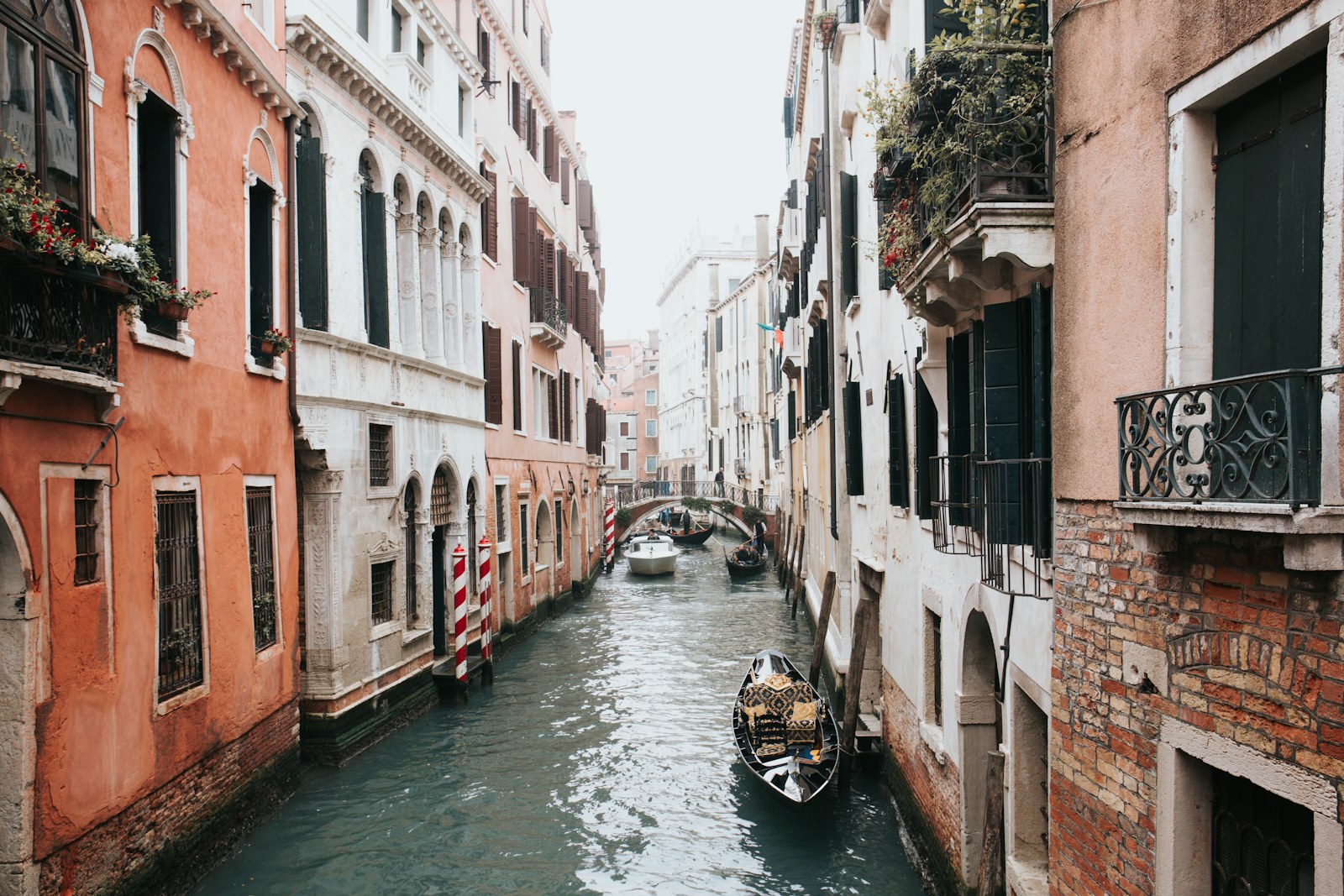
Venice: count the bridges
A short distance from the station or pier can still involve several sets of steps. Ask for the recommended route and choose luggage accordingly. Cannaregio, Dorsoduro, San Polo, and Castello each offer useful bases, but their size means the address matters more than the district label. Confirm whether the property is on the islands or the mainland. Both can work; they create different evening and departure plans. For an early flight, check the first practical connection before committing to the room.
Rural and coastal stays: ask specific questions
For a farmhouse in Tuscany or Puglia, find out where dinner happens, whether you need a car, and how the final road is surfaced. On the Amalfi Coast, ask how many steps separate the road, pier, and entrance. Do not assume seasonal facilities operate throughout the year. A pool, restaurant, shuttle, or beach arrangement may have a limited calendar. If a feature is central to your choice, get confirmation for your dates instead of relying on a photograph.
Read the conditions before the compliments
Compare the total stay cost and what is included, then read the cancellation and payment conditions. Check how separate local charges are handled. Look for patterns in recent reviews rather than a single dramatic complaint. Ask about cooling during warm periods, luggage storage, and the actual bed arrangement. If you need step-free access, obtain specific measurements or descriptions. Once the practical questions are answered, choose the room you like. Good accommodation is a base that supports the trip you are taking.